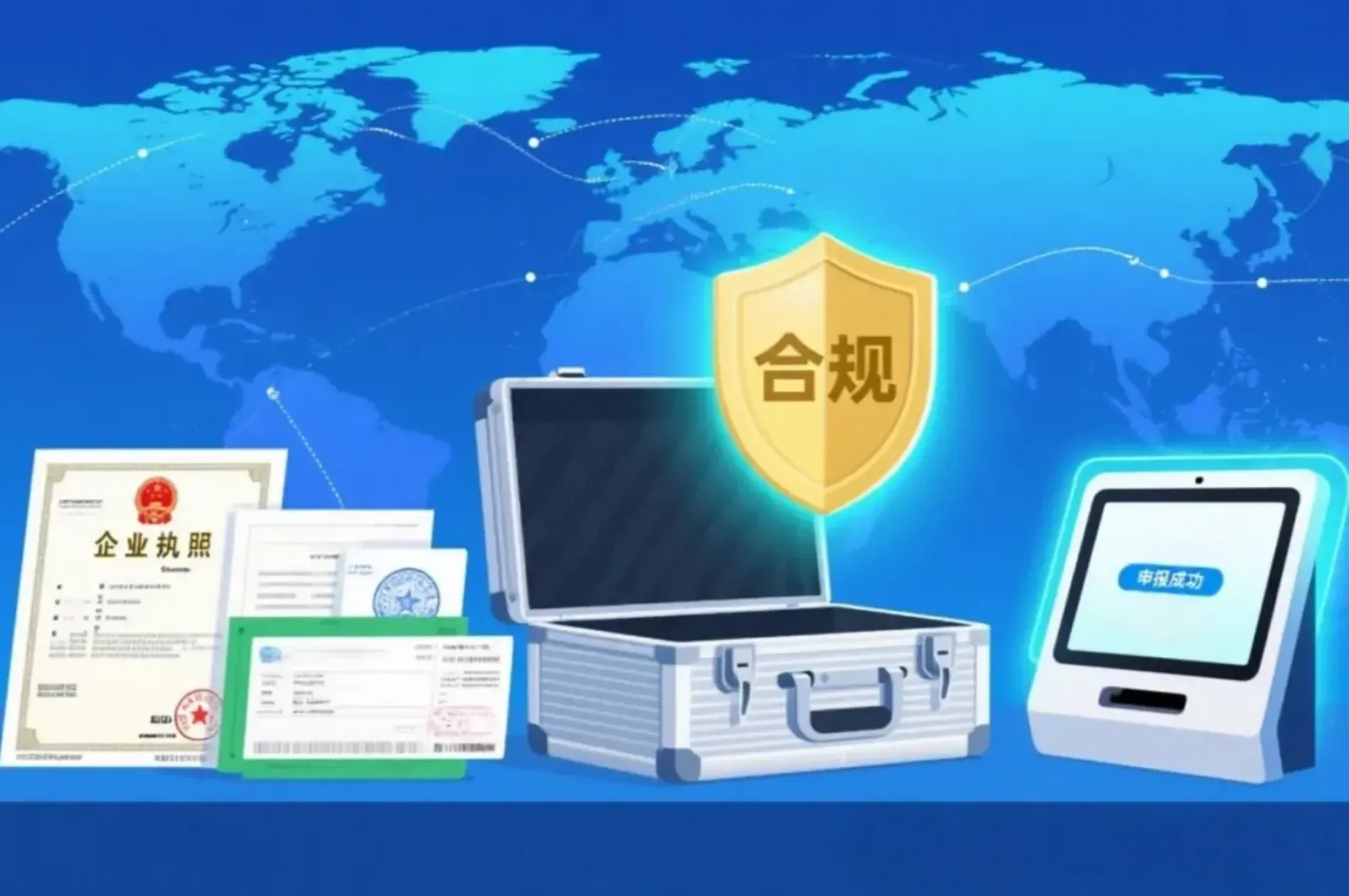
In the past, many sellers for convenience would choose “buying customs declaration” services - that is, paying a fee to use another company’s name for export customs declaration. This saved time and trouble, seemed low-cost, and could successfully ship goods out. But now, with continuously tightening national supervision policies, this path has been strictly controlled and is no longer feasible. Today, let’s explore in detail: why is buying customs declaration no longer feasible? How should sellers respond?
Question 1: Why Is the Buying Customs Declaration Path No Longer Feasible?
First, Comprehensive Regulatory Upgrade
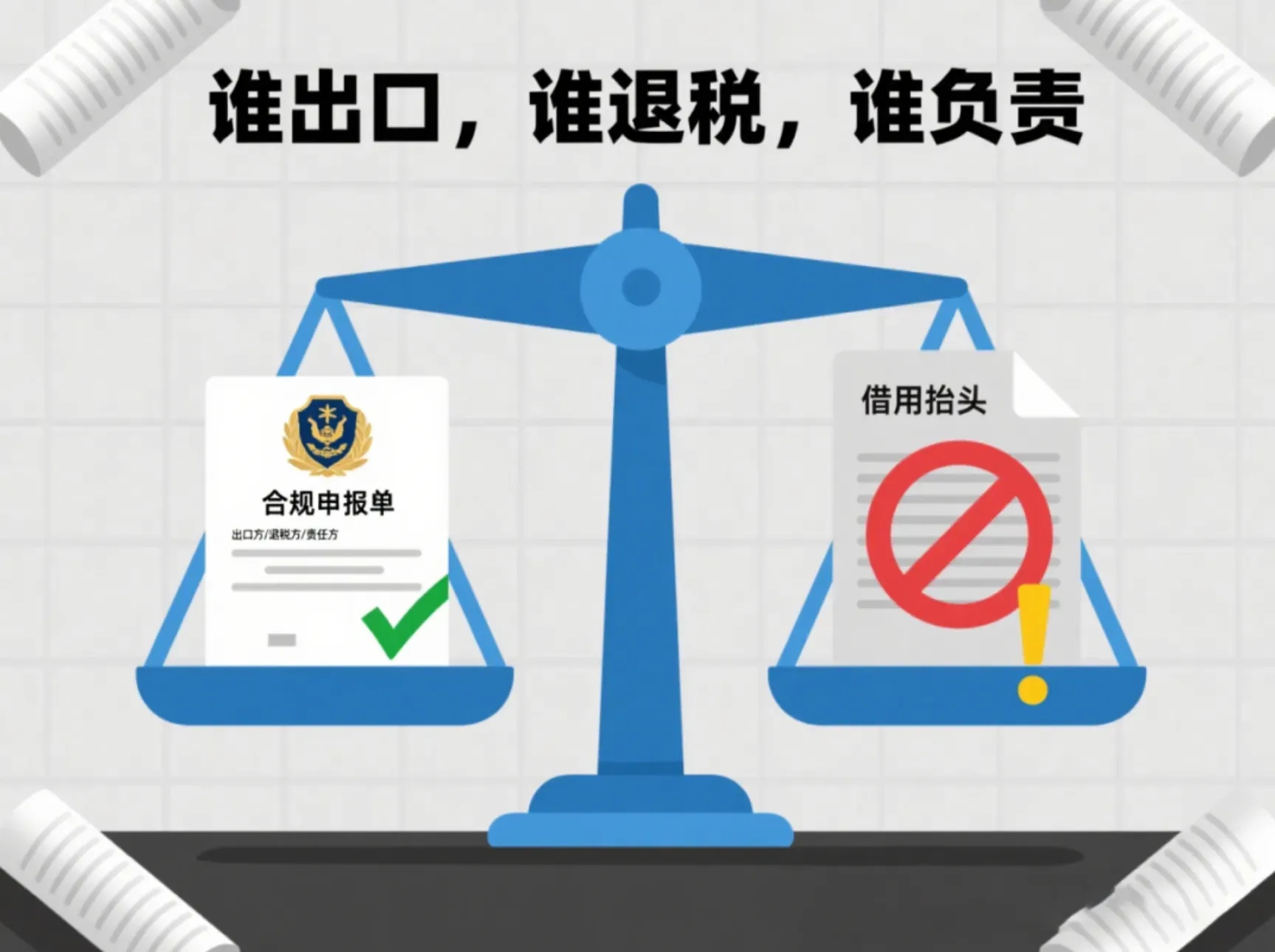
Now customs strictly enforces the “who exports, who gets tax refund, who is responsible” principle. The previous practice of borrowing others’ names to complete customs declaration is difficult to achieve. Compliance has become the first threshold; previous “convenient” operations have now become the biggest risk.
Second, The Era of Data Transparency Has Arrived.
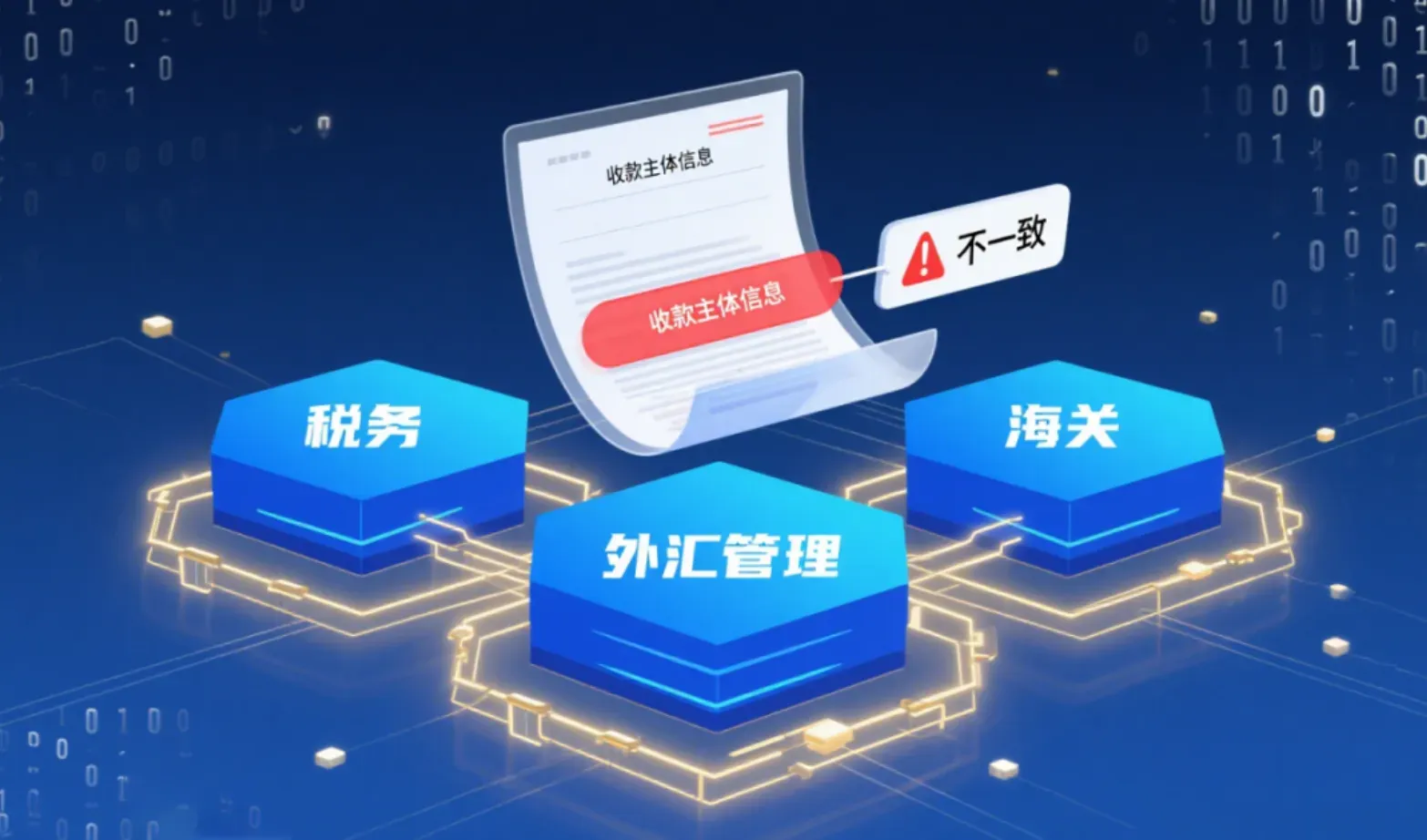
Tax, foreign exchange management, and customs systems have achieved data interconnection. Once customs declaration and payment recipient information don’t match, the system can instantly identify it. The previous environment of non-interconnected information no longer exists, and buying customs declaration operations have nowhere to hide.
Third, High Risk, Wide Impact.
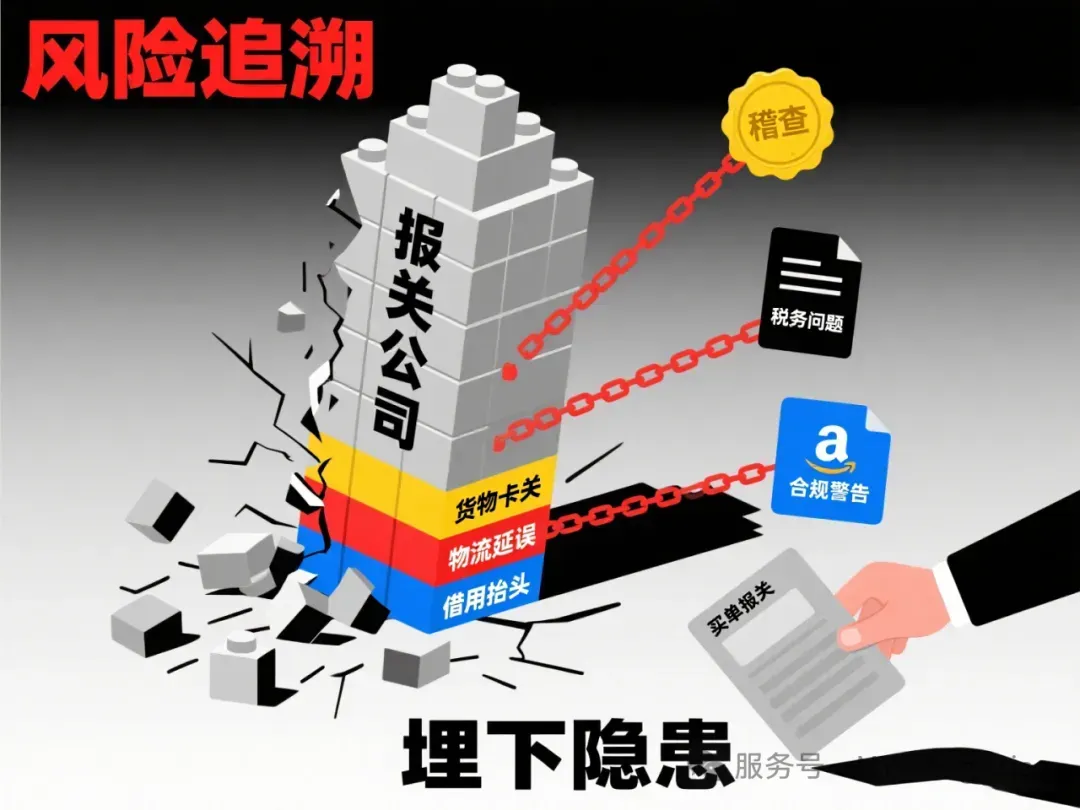
Once a customs declaration company involved has problems, all sellers using its name for export may be traced. Lightly, goods get stuck, delaying logistics; severely, it triggers tax audits, even affecting the compliance status of Amazon stores. Continuing to rely on buying customs declaration is like burying a hidden danger for yourself.
Question 2: What Compliant Options Are Available?
Option 1: Self-Name Customs Declaration (Recommended for Long-Term Development Sellers)
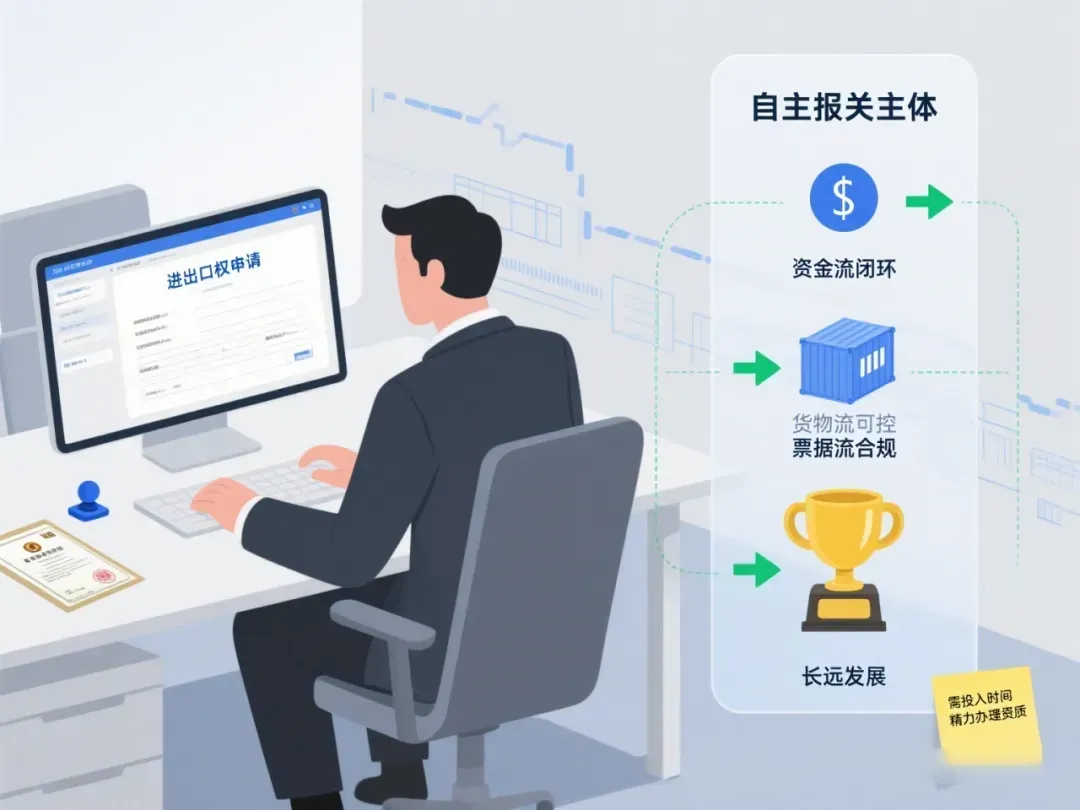
Independently apply for import/export rights, using your own company as the customs declaration entity.
Pros: Full-chain compliance, capital flow, goods flow, document flow - three flows unified, worry-free long-term development.
Cons: Need to invest some time and energy to handle qualifications.
Option 2: Entrust Formal Customs Broker (Proxy Declaration Mode)
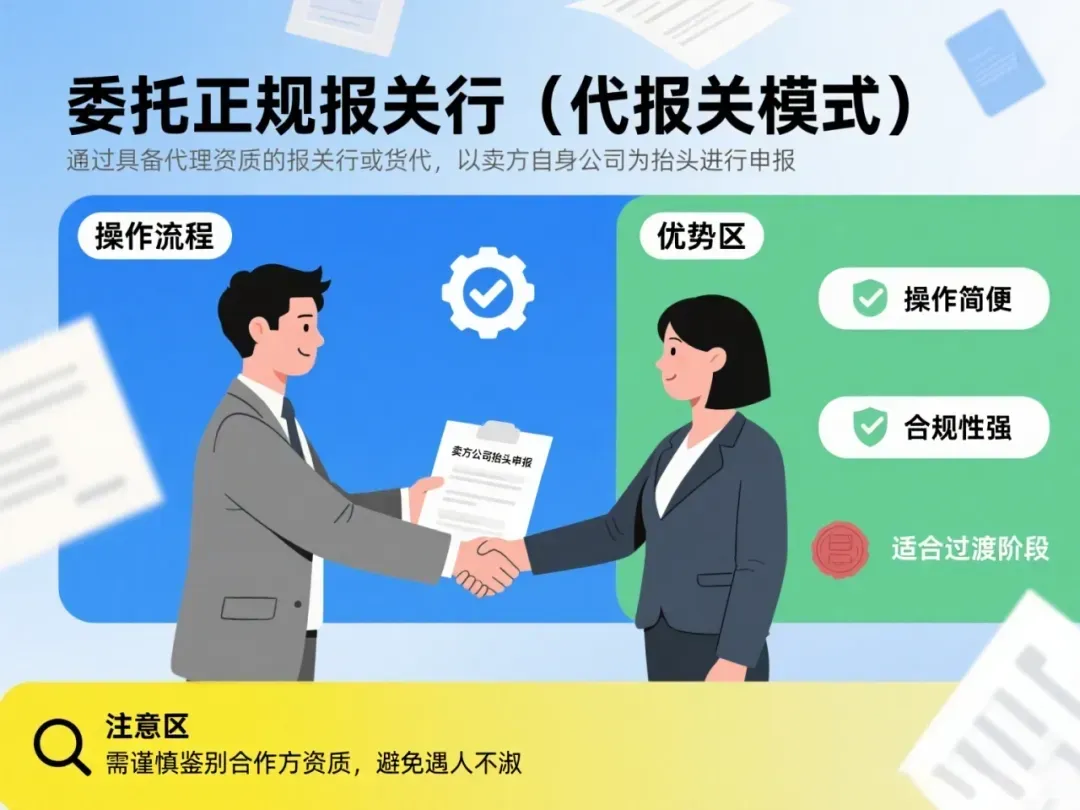
Through qualified customs brokers or freight forwarders, declare in the seller’s own company name.
Pros: Simple operation, strong compliance, suitable for transition phase.
Cons: Need to carefully verify partner qualifications to avoid bad actors.
Option 3: Hong Kong Company + Foreign Comprehensive Service Mode
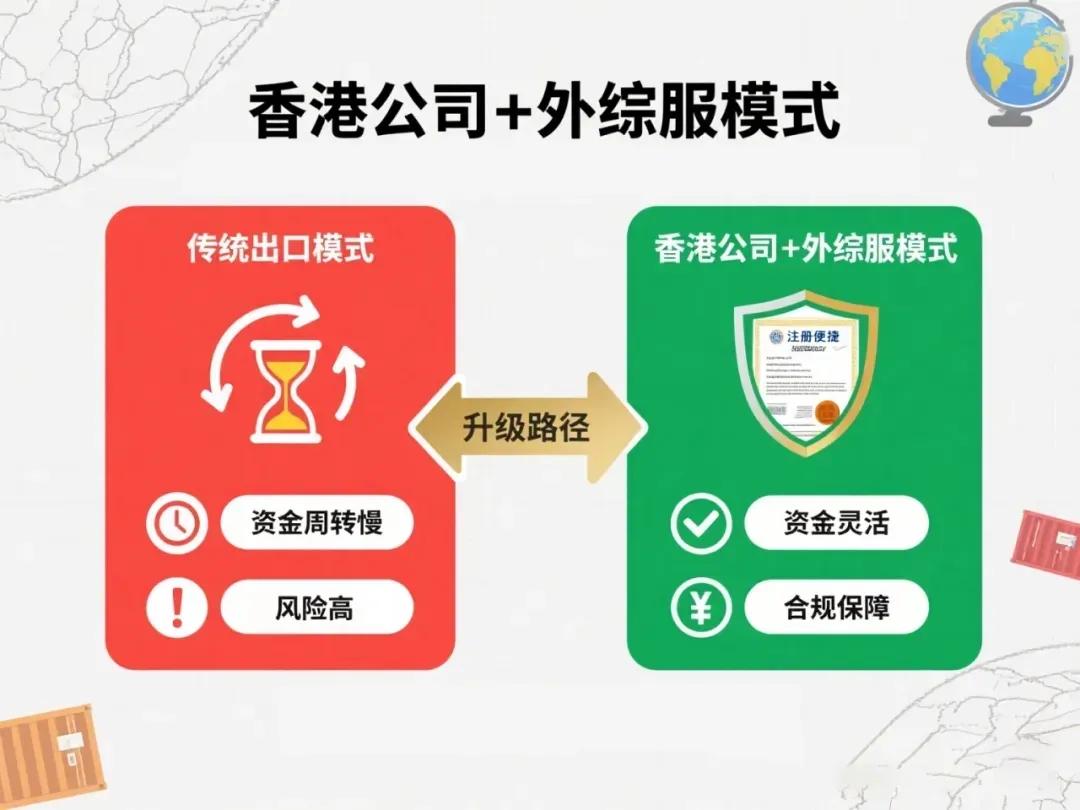
By registering a Hong Kong company, or using foreign trade comprehensive service enterprises like Yidatong, build a compliant export structure.
Pros: More flexible capital mobilization, while complying with domestic supervision requirements.
Cons: Hong Kong companies also need standardized accounting, cannot operate as shell companies.
Option 4: One-Stop Cross-Border Service Provider
Choose compliant service providers integrating customs declaration, foreign exchange collection, tax refund and other links, fully managing export matters.
Pros: Worry-free and labor-saving, risk transfer, especially suitable for sellers seeking stability.
Cons: Relatively higher service costs.
Question 3: How to Smoothly Transition During the Transition Period?
-
Self-Inspection and Rectification: Organize past export records; if you used buying customs declaration, be sure to keep all relevant documents for future verification.
-
Step-by-Step Switching: Small batch orders can first try proxy declaration, large orders gradually switch back to self-name.
-
Prepare Materials: Organize past export records; if you used buying customs declaration, be sure to keep all relevant documents for future verification.
-
Ensure Full-Chain Traceability: Each batch of goods should have clear sources, clear export entities, and traceable capital flows.
Question 4: What Impact Does This Have on Amazon Sellers?
Don’t think customs compliance is just an offline link - it’s closely related to your online store:
- Inconsistent payment and customs declaration entities may trigger platform fund audits;
- Tax audits discovering account problems will directly affect store operations;
- If the customs declaration company enters the blacklist, your goods may not be able to clear customs, causing FBA to fail to warehouse
Summary and Recommendations
Short-term: Small and medium sellers can transition through “proxy declaration,” but must ensure the name is their own company;
Mid-term: Consider registering Hong Kong company + foreign comprehensive service mode to improve capital and customs declaration flexibility;
Long-term: Must obtain own import/export rights to achieve full-process compliance closed loop.
Cross-border e-commerce has entered a “strong supervision era.” The survival space for previous “gray practices” like buying customs declaration is getting smaller. Only actively turning to compliance can guarantee the long-term, stable development of business. The era of buying customs declaration is over, but this may not be a bad thing - it’s pushing us toward more standardized, safer business paths. In my opinion, rather than worrying about being checked every day, it’s better to prepare early and make a solid transition. Only in this way can you calmly face customs, tax, or platform risk control.
Conclusion
Against the background of continuously increasing cross-border e-commerce compliance requirements, MYU Logistics, as an international freight forwarding expert, relies on its professional trading company and logistics service capabilities to provide safe, worry-free, efficient one-stop compliant global solutions for cross-border sellers.
With our own trading company as the main entity, we provide you with full-process compliance services covering foreign exchange collection, tax refund, and customs declaration: using formal banking channels for foreign exchange collection with exchange rates better than market levels; professional teams handle export tax refunds, helping improve profit margins; full-process compliance operations, effectively avoiding account risks. From raw material procurement to terminal distribution, we rely on our localized service networks in Spain and Morocco to provide reliable end-to-end logistics support for Chinese companies going global in Europe and Africa.
MYU Logistics makes compliant global expansion simple and reliable, helping you focus more energy on business expansion and calmly face various challenges in the cross-border e-commerce field.