
On January 1, 2026, CBAM carbon tariff officially launches!
If you export steel, cement, aluminum, fertilizer, electricity, or hydrogen to the EU, this article helps you clearly understand the policy, seize response timelines, and avoid export risks.
What is CBAM?
CBAM stands for Carbon Border Adjustment Mechanism, commonly known as “carbon tariff.” Its core is to impose carbon emission fees on high-carbon product imports, aiming to promote global emission reduction, prevent carbon leakage, and protect EU domestic industry competitiveness.
Key Points
- Entered transition period on October 1, 2023, only reporting obligations until end of 2025, no payment required.
- Officially implemented and charging starts from January 1, 2026, gradually phasing out free quotas.
- Currently covers six major industries: steel, aluminum, cement, fertilizer, electricity, hydrogen.
- Future expansion expected, plastics, chemicals, textiles and other industries may soon be included.
CBAM Implementation Three Phases
| Phase | Time | Main Content |
|---|---|---|
| Transition Period | 2023.10.1-2025.12.31 | Report only, no payment; default values allowed (from 2024 Q3 must use actual values) |
| Formal Implementation | 2026.1.1-2034.12.31 | Gradually phase out free quotas, importers must purchase CBAM certificates and complete payment |
| Full Implementation | From 2035.1.1 | Free quotas completely eliminated, coverage industries further expanded |
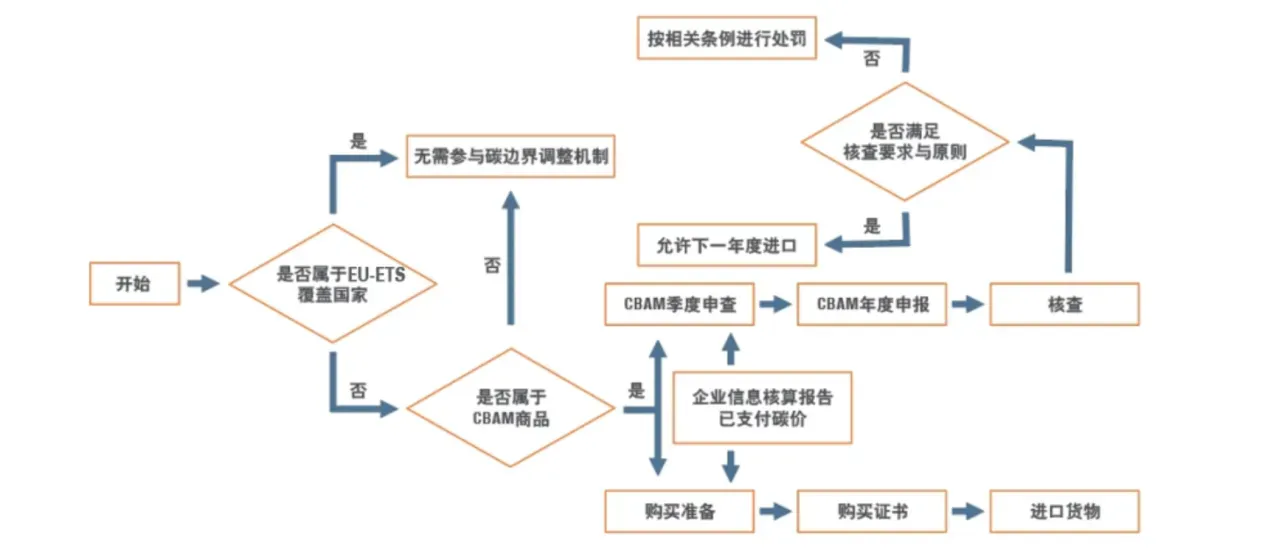
Which Products Are Controlled?
According to EU customs codes (CN Code), the current six major categories correspond to the following tariff numbers:
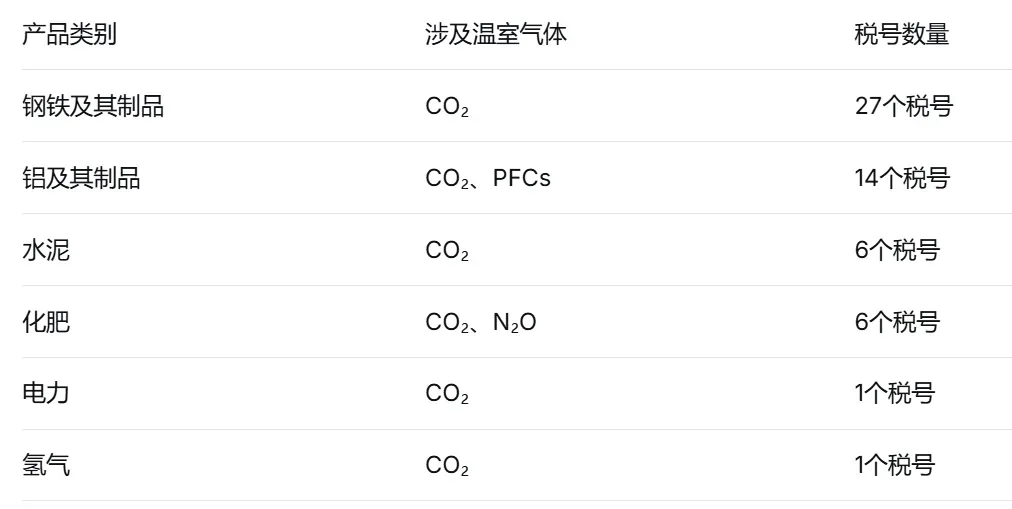
Declaration Requirements and Timeline
Importers must submit CBAM reports quarterly
Report content includes:
Product quantity
Total carbon emissions (direct + indirect)
Carbon costs already paid in country of origin
Data filing timeline:
| Quarter | 2023Q4 – 2024Q2 | From 2024Q3 |
|---|---|---|
| Declared Value | Default values allowed | Must use actual values |
Enterprise Response Action Checklist
1. Register CBAM Account Immediately
Importers or their customs representatives must complete CBAM declarant authorization application by March 31, 2026.
Start now to avoid delaying cargo shipment!
2. Establish Carbon Emission Monitoring System
Organize energy consumption data for the past year (electricity, gas, fuel, etc.).
Establish systematic carbon emission data collection mechanism.
3. Conduct Carbon Accounting and Verification
Recommend entrusting professional institutions for product carbon footprint accounting.
From 2024 Q3, must use recognized data for declaration.
4. Promote Low-Carbon Transition
Improve energy efficiency, renovate old equipment.
Increase clean energy usage ratio.
Build low-carbon as long-term competitiveness.
How to Calculate CBAM Cost?
CBAM certificate quantity × EU carbon market weekly average price – Carbon costs already paid in home country
Example: If one ton of steel emits 2 tons of CO₂, EU carbon price is €80/ton, then CBAM cost per ton of steel is approximately €160 (approximately ¥1200 RMB).
Summary and Recommendations
CBAM is not just a “tariff barrier,” but the general trend of low-carbon global trade. For enterprises:
Short-term: Complete registration, clarify data, declare on time.
Mid-term: Optimize energy structure, reduce carbon emission intensity.
Long-term: Build low-carbon into product competitiveness, attract green orders.
Think New Regulations Are Complex? Need Professional Guidance?
Welcome to consult MYU LOGISTICS!
MYU LOGISTICS, as a Chinese logistics team rooted in Europe, provides you with key support leveraging local advantages. We are an overseas Chinese logistics company based in Europe, not “arranging logistics across the ocean” for you, but truly “standing in Europe and Africa” to handle your affairs. 100% local staff, overseas staff 100% living locally, supporting Chinese, English, Spanish, French, Italian, Arabic online services.