
With the booming development of domestic lithium battery and new energy equipment industries, sea export demand is growing day by day. Since lithium batteries are classified as Class 9 dangerous goods, the export process is more complex than ordinary cargo. This article aims to systematically outline the key processes and document requirements for sea export of lithium battery equipment, providing a clear practical reference for relevant practitioners.
Core Document Preparation: Essential “Pass” Before Export
Before booking, shippers must prepare the following three core appraisal and certificate documents in advance for shipping company review:
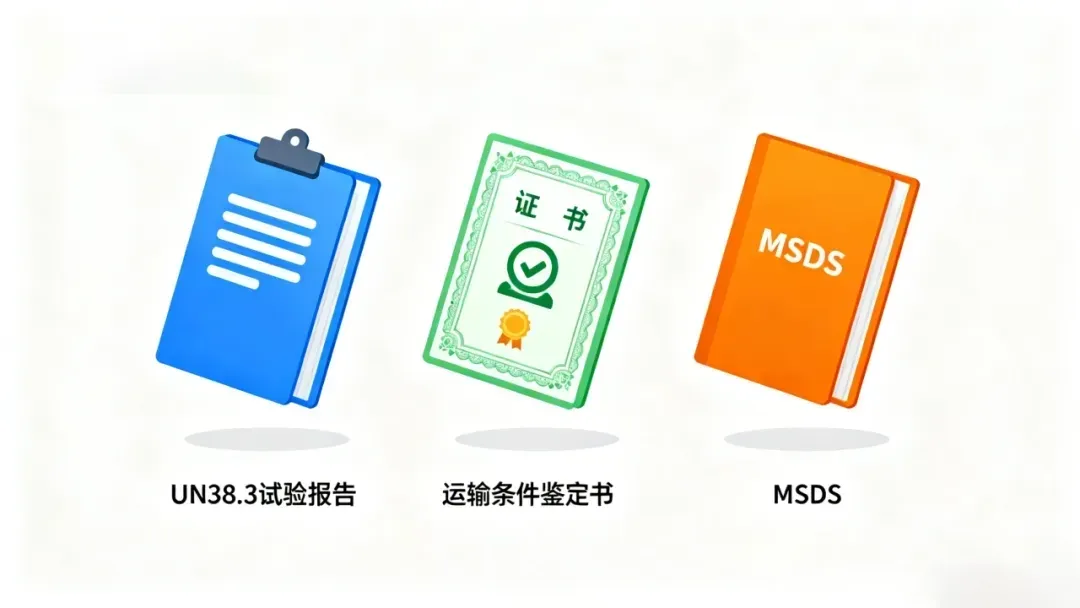
UN38.3 Test Report: Proves that lithium batteries have passed a series of safety performance tests, and is the most critical and costly document in the review process.
Transport Conditions Appraisal Certificate: Issued by authoritative authorities, clarifying the dangerous goods category and transport conditions of the goods.
Chinese and English MSDS (Material Safety Data Sheet): Details product composition, physical and chemical properties, and safety operation guidelines.
Handling Points and Cost Analysis
Cycle: Processing the above documents takes about one month in total, so plan ahead.
Cost: UN38.3 report costs vary significantly. If the battery module has not undergone pre-testing, completing testing for a 200kWh battery pack (PACK) can cost nearly 200,000 RMB; if using already certified battery modules, the overall cost can be significantly reduced to tens of thousands of RMB. Therefore, selecting certified modules from the supply chain source is an effective strategy for controlling costs.
Institution Selection: There are many domestic certification institutions. Before entrusting processing, it is recommended to obtain the institution’s certificate template first, confirm its acceptance with the target shipping company in advance, and ensure document validity.
Supplementary Notes
Products of the same specification and model only need to undergo one certification.
If only exporting battery cells or cores, a dangerous goods packaging certificate is required; if batteries and equipment are integrated and exported together, this certificate is usually not required.
Dangerous Goods Properties and Booking
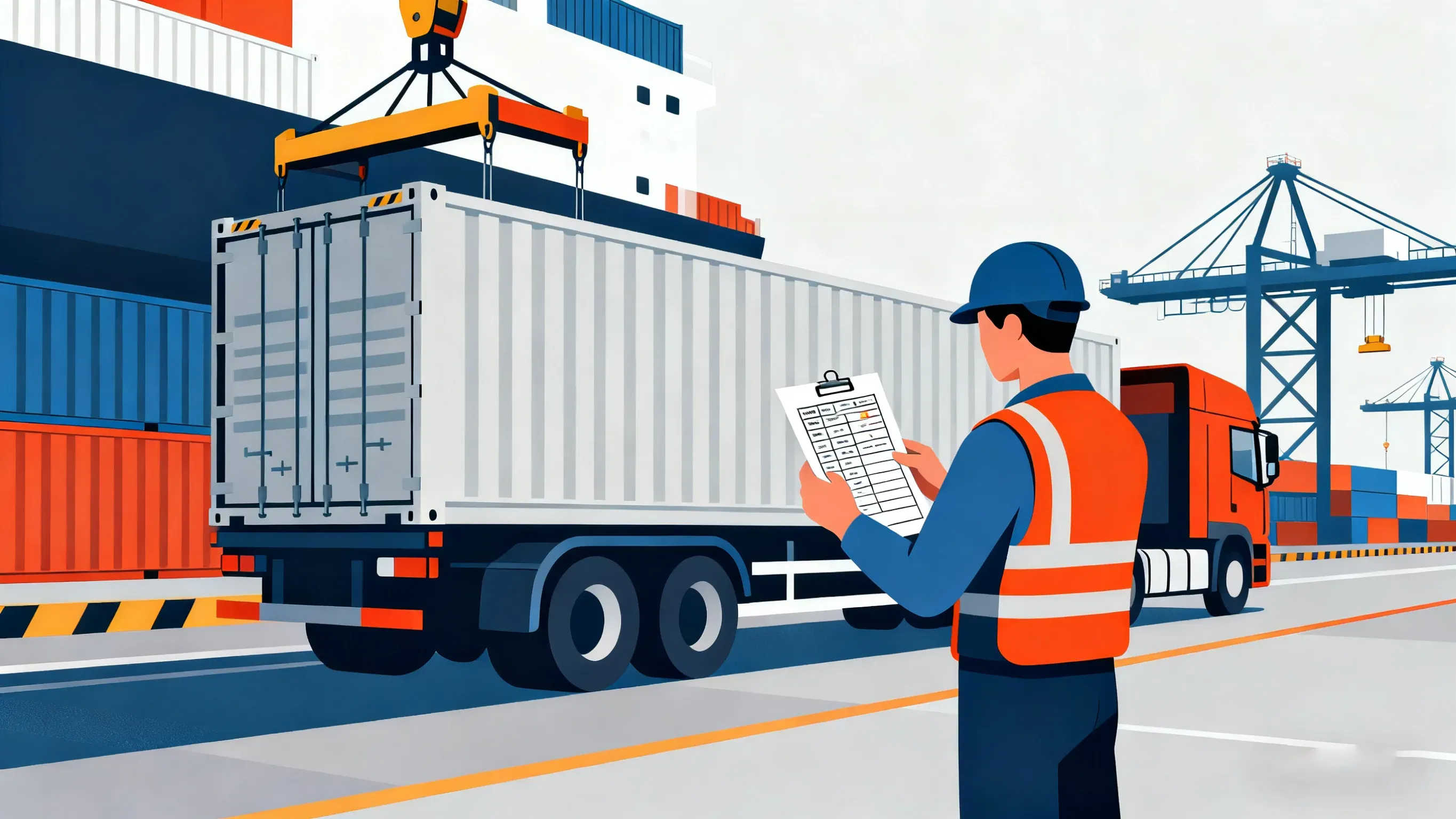
Only after documents are complete and pass preliminary review by the shipping company can you enter the booking stage. According to common appraisal conclusions, lithium battery equipment is usually classified as follows:
- UN Number: UN3171
- Shipping Name: Battery-powered vehicles
- Dangerous Class: Class 9 miscellaneous dangerous goods
Maritime Dangerous Goods Declaration

After booking, before cargo shipment, you must declare to the maritime affairs department at the port of departure. In addition to the three core documents mentioned above, you also need to submit the following supplementary materials (usually standard templates, need to be stamped with the shipper’s official seal):
- Dangerous goods declaration elements
- Technical specification for packaged dangerous goods
- Short-circuit protection measures description
- Cargo safety fitness declaration
- Packing situation description
Packing and Supervision Requirements
The dangerous goods packing link has special regulatory requirements:
Must be arranged by qualified transport companies to send certified personnel to the shipping factory for on-site supervision.
Inspection Content: Supervisors are responsible for verifying that cargo information matches the declaration, checking that packaging and strapping are secure and compliant, and photographing on-site conditions to report back to the maritime affairs department. This link is a mandatory step for dangerous goods shipment and is indispensable.
Transport and Cost Description
Containers:
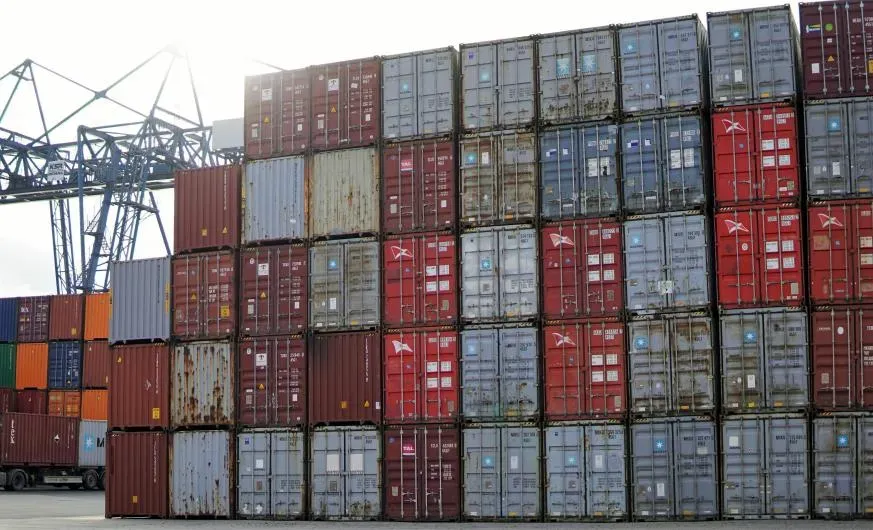
Container types used for dangerous goods are no different from ordinary cargo.
Freight: Due to special operations and risks involved, dangerous goods sea freight rates are significantly higher than ordinary cargo, which should be fully considered in cost accounting.
Summary
The core difference in sea export of lithium batteries lies in advance document preparation, strict maritime declaration, and mandatory on-site supervision.
The entire process is interlinked, and adequate preparation is key to ensuring smooth cargo shipment. Note that specific requirements of different shipping companies and maritime affairs departments at different ports may vary slightly. It is recommended to confirm specifically before operation.
MYU Logistics makes compliant export simple and reliable. You can focus more energy on business expansion, and we will help you calmly face various challenges in cross-border logistics.
For more solutions or to consult specific cargo status, welcome to contact the MYU Logistics team, and we will customize the optimal shipping path for you.