When many companies first encounter Morocco COC certification, they often think the process is not complicated: prepare documents, arrange inspection, and wait for certification.
But those who have actually operated know that the difficulty of Morocco COC certification does not lie in “submitting documents”, but in the comprehensive control of regulatory standards, document review, inspection process and PortNet system.
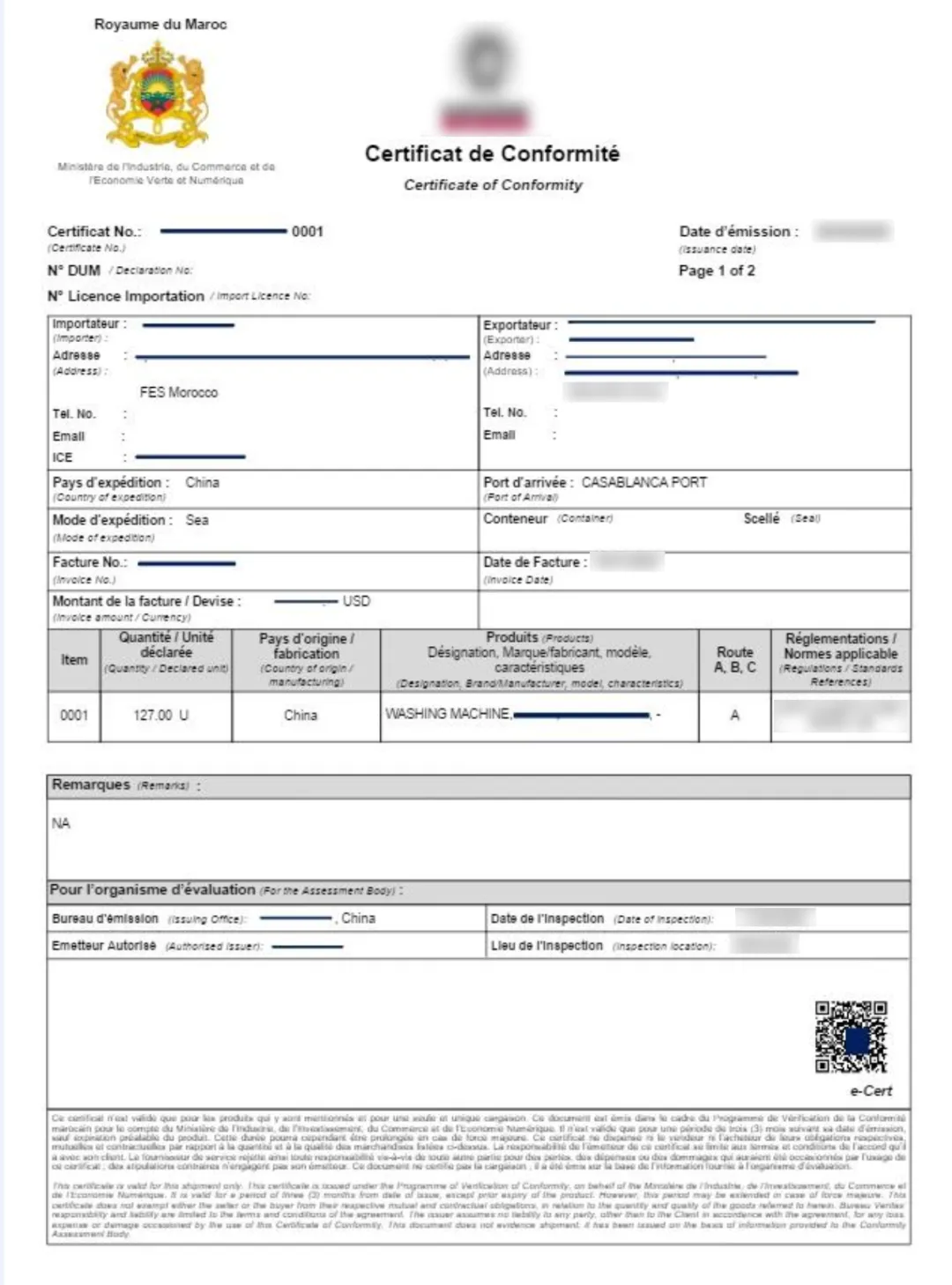
What truly determines whether a project can successfully obtain certification is often professional experience and risk management capabilities.
I. Standard Matching Ability: The Key to Project Success
Morocco implements a large number of NM (Norme Marocaine) national standards, while also widely referencing international standard systems such as IEC and EN.
Common problems in actual operation include:
❌ Unclear which standards apply to the product
❌ Test reports do not meet acceptance requirements
❌ Standard versions do not match current regulations
❌ Wrong standard selection leads to certification failure
For example:
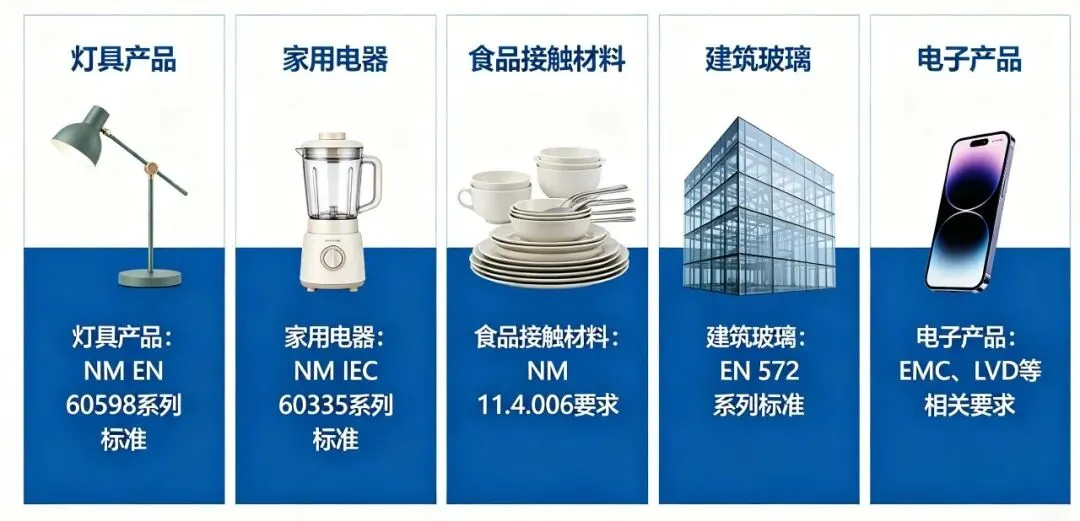
- Lighting products typically apply NM EN 60598 series standards
- Household appliances mainly correspond to NM IEC 60335 series standards
- Food contact materials must comply with NM 11.4.006 requirements
- Building glass involves EN 572 series standards
- Electronic products also need to pay attention to EMC, LVD and other related requirements
Once there is a deviation in standard selection, the company may face:
- Repeated investment in testing costs
- Supplementary testing or re-submission for testing
- Delayed shipment time
- PortNet review cannot be passed
Therefore, the first problem that professional agents solve is not document submission, but accurate matching of standards and products.
II. Packaging and Label Review is Also Important
Many companies think that inspection mainly checks the product itself, but in fact, packaging and labels are often the focus of review.

Product labels typically need to include:
- Product name
- Product model
- Brand information
- Manufacturer information
- Made in China marking
- Electrical parameters (for applicable products)
Outer box information must be consistent with the following documents:
- Commercial Invoice
- Packing List
- Test Report
In actual cases, many projects are closed not due to product quality issues, but because of:
❌ Missing label information
❌ Inconsistent model information
❌ Inconsistent brand names
❌ Packaging information does not match test report
❌ Product information differs from application documents
Experienced agencies usually complete packaging and label review before inspection to identify risks in advance and avoid on-site problems.
III. Technical Document Review Ability is Increasingly Important
In recent years, Morocco certification review has become stricter.
In addition to invoices and packing lists, certification bodies usually also require:
- Test Report
- Technical Data Sheet
- User Manual
- Product Specification
- Product Photos
- Label Photos
- Factory Documents
The focus of review mainly focuses on the following aspects:
- Whether the model is unified
- Whether the brand is consistent
- Whether technical parameters match
- Whether HS Code is reasonable
- Whether product description is accurate

Some agents only collect and upload documents, while we will identify potential problems in documents in advance and assist customers in rectification and improvement.
IV. Inspection Coordination Ability Determines Certification Efficiency
A major feature of Morocco COC projects is that document review, on-site inspection and certificate issuance must form a complete closed loop.
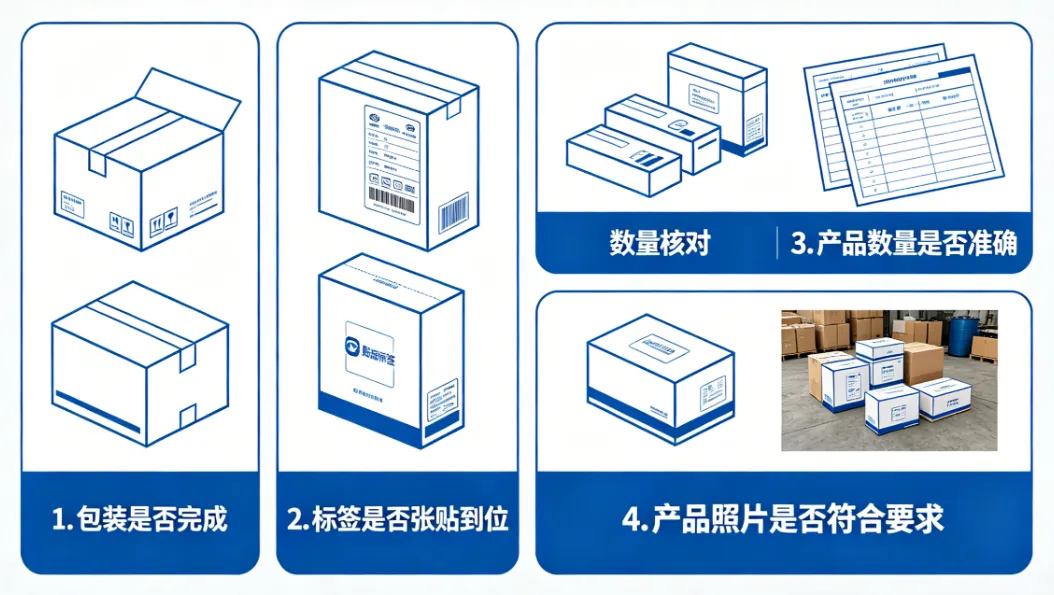
Before inspection, it is necessary to confirm:
- Whether packaging is completed
- Whether labels are properly affixed
- Whether product quantity is accurate
- Whether product photos meet requirements
During inspection, it is necessary to:
- Coordinate inspection personnel
- Docking technical issues
- Handle on-site abnormal situations
After inspection, continuous follow-up is required:
- Inspection report submission status
- Document review progress
- Certification body feedback
Without effective connection, problems often occur:
- Inspection passed but document review failed
- Document review passed but on-site photos do not meet requirements
- Review stalled with no one following up
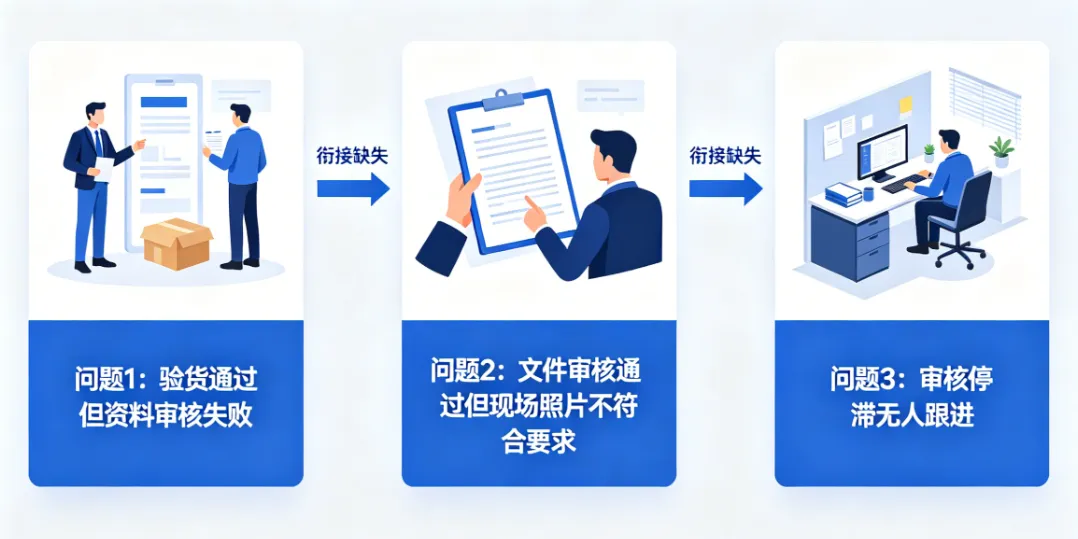
Ultimately affecting certificate issuance.
V. PortNet System Experience is an Important Dividing Line
For Morocco import projects, the PortNet system is a core link in the customs clearance process.
After the COC certificate is issued, the relevant information must be correctly uploaded and linked to the PortNet system.
Common problems include:
❌ Wrong Importer information
❌ Wrong ICE number entry
❌ Inconsistent invoice information
❌ Wrong product information entry
❌ Certificate cannot be linked successfully
❌ Abnormal PortNet status
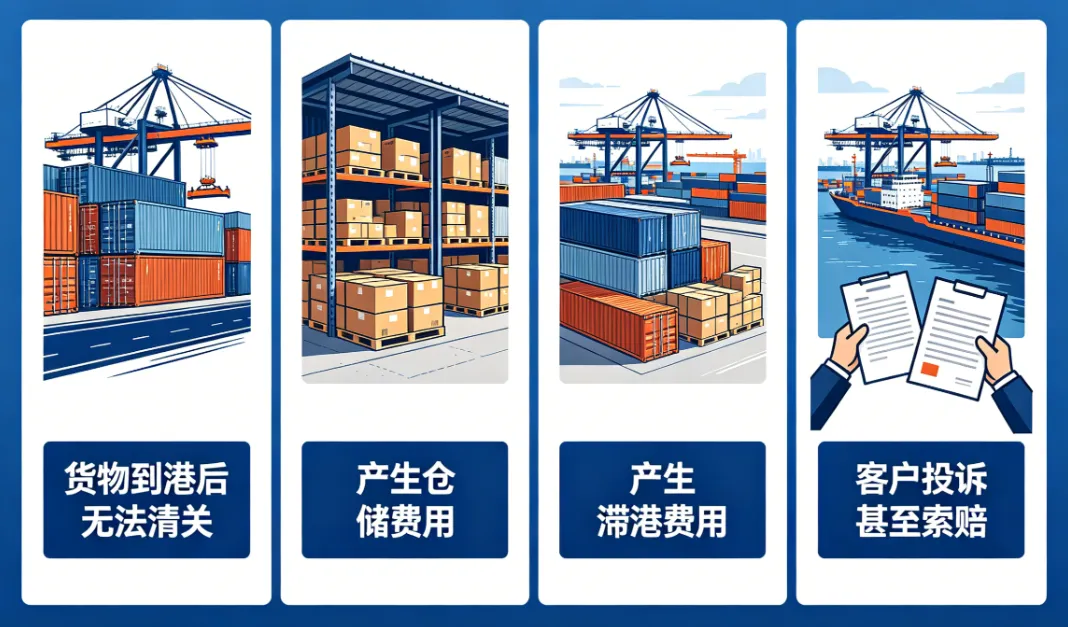
These problems often directly lead to:
- Goods cannot be cleared after arrival at port
- Storage fees incurred
- Demurrage fees incurred
- Customer complaints or even claims
Professional agents familiar with PortNet operation procedures, can quickly locate problems and coordinate relevant agencies to handle them in a timely manner.
VI. Communication Experience with Certification Bodies is Also Key
Currently, Morocco COC certification mainly involves the following international organizations:
- Intertek
- TÜV Rheinland
- SGS
- BV
Different organizations have obvious differences in actual operation:
- Different document review habits
- Different technical requirements
- Different inspection focuses
- Different certification cycles
Experienced agents can usually judge:
✅ Which organization is more suitable for specific products
✅ Which projects have higher processing efficiency
✅ How to shorten the review cycle
✅ How to handle special situations such as order closure and archiving
These experiences can often save customers a lot of time and communication costs.
Summary
Morocco COC certification truly tests not the ability to submit documents, but the overall project management ability.
Its core includes:
✅ Standard matching ability
✅ Packaging and label review ability
✅ Technical document review ability
✅ Inspection coordination ability
✅ PortNet system operation experience
✅ Certification body communication ability
The value provided by professional agents is essentially risk control and process guarantee, not just document forwarding.
Many projects cannot obtain certification smoothly, not because of product quality issues, but because of wrong standard selection, inconsistent documents, non-compliant packaging labels, poor inspection connection or PortNet operation errors.
A truly professional team can identify problems before inspection and solve them before certification, thereby helping customers reduce risks and avoid the dilemma of being unable to clear customs after goods arrive at the port.
🏆 MYU Logistics: Deeply rooted in Europe and Africa, building a solid supply chain security line
As a 100% Europe-Africa localized logistics service provider, MYU Logistics has a deep understanding of the local market rules, culture and logistics links, providing flexible, safe and efficient alternative transportation solutions for shippers, and transforming our advantages into your supply chain resilience.

100% Local Team
- All employees are recruited and trained locally in Europe and Africa, familiar with EU regulations, taxation and operational processes
Multilingual Professional Services
- Service languages include Chinese, English, Spanish and French, ensuring seamless communication and precise response
Local Company
- Leveraging local entities in Spain/Morocco to provide efficient distribution and warehousing networks covering Europe and North Africa
🚛 What can we do?
Full-chain sea freight services : FCL, LCL, and air freight transportation, covering major European ports and inland points
Diversified trade term services : Support for DDP, DDU, DAP, EXW and other terms, providing full customs clearance services including VAT and duty payment
Local land transport and warehousing : Trailer delivery, warehouse consolidation, short-term storage, and distribution services
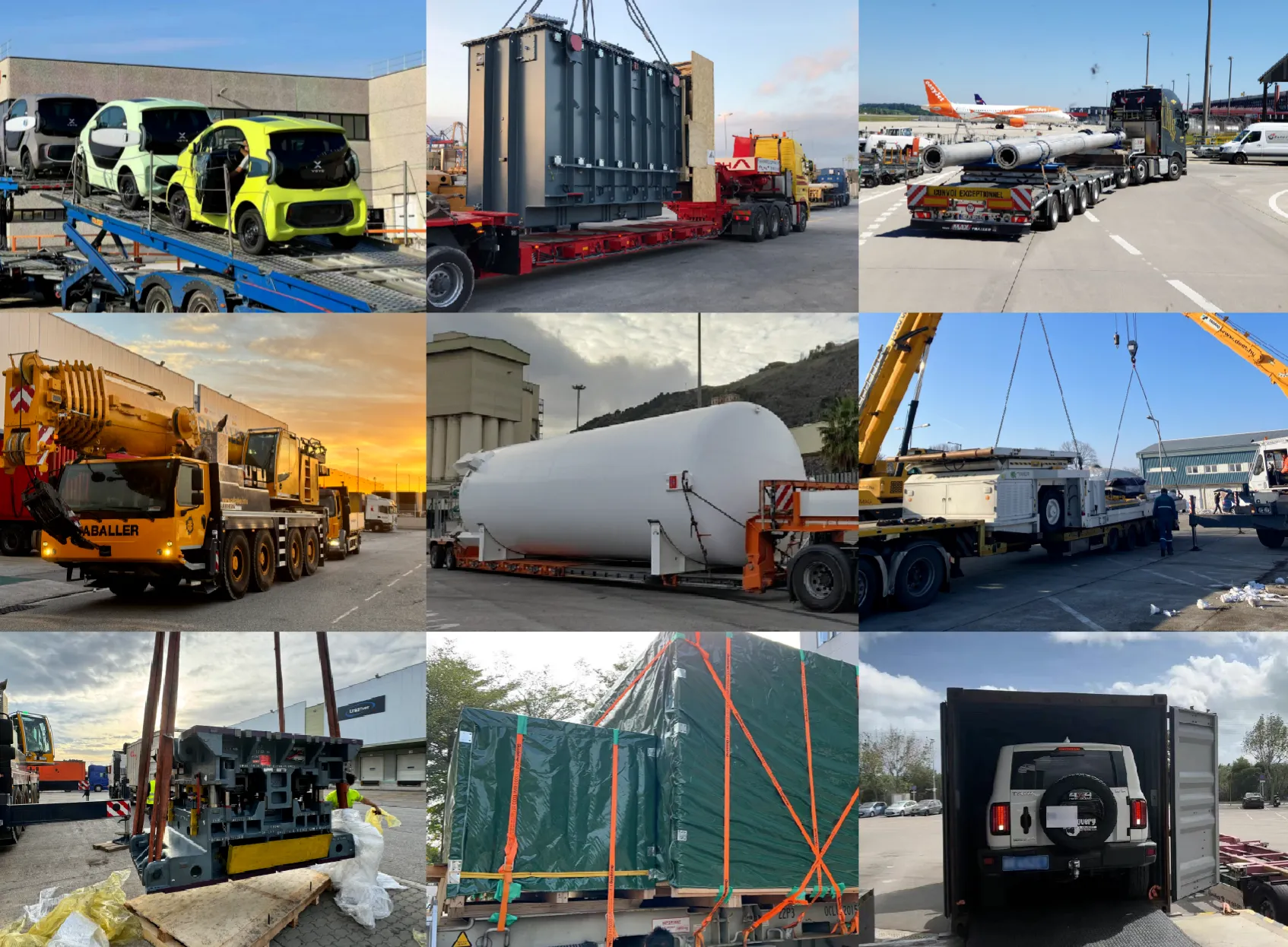
Special cargo handling : Professional handling of oversized, overweight, overlength, and overwidth cargo, as well as special categories such as cold chain, furniture, equipment, clothing, building materials, and compliant dangerous goods
✅ Our advantages?
In times of crisis, these advantages directly translate into your supply chain resilience:
Compliance and transparency : Rejecting grey customs clearance, all operations are legal and compliant with fully traceable processes
Tax optimization : Combining local tax policies to provide compliant tax planning advice and optimize supply chain costs
End-to-end project management : Dedicated personnel follow up from booking to customs clearance and final delivery, ensuring safe and on-time arrival of goods
Local network support : Leveraging multiple warehousing and partner nodes in Europe and Morocco for rapid response and flexible scheduling
With the continuous growth of China-Morocco trade, Morocco’s requirements for product compliance are also constantly increasing. We have long been deeply involved in the Morocco market and can provide customers with one-stop services such as Morocco COC certification consulting, standard matching, document review, inspection coordination and PortNet system support, helping enterprises efficiently complete the certification process and allowing goods to smoothly enter the Morocco market.