
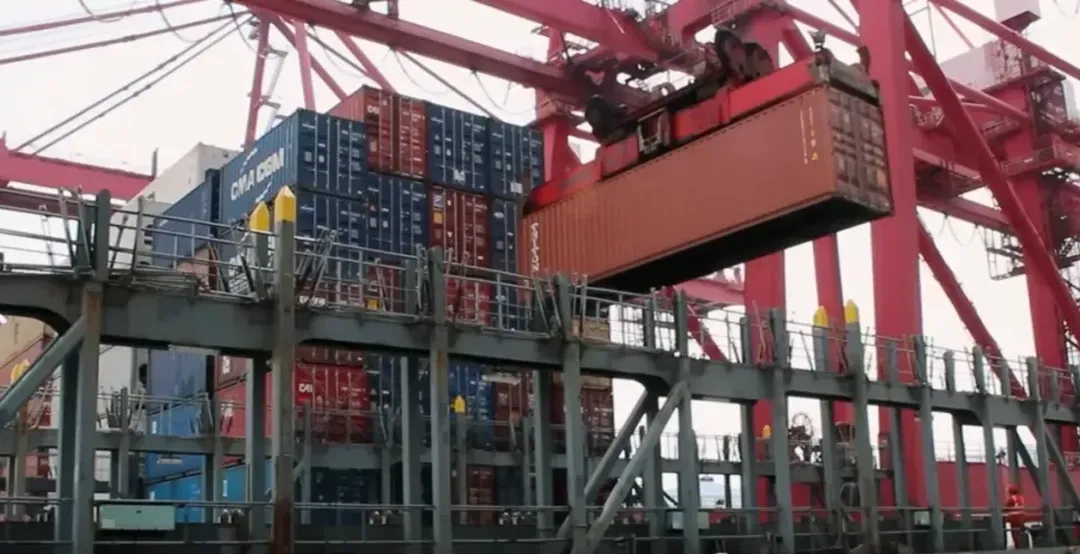
In today’s highly globalized supply chain, the logistics corridor between Spain and Morocco has become one of the most critical cross-border channels for agri-food, textile, automotive, construction, and retail industries.
Although the straight-line distance between the two countries is not far, in actual transportation, enterprises often encounter delays or even cost失控 due to port congestion, insufficient document preparation, seasonal peaks, and customs inspections.
So—
- How to reduce Morocco customs inspection risk?
- How to stabilize transport time?
- How to choose the best route?
This article will comprehensively explain the core points of Spain-Morocco cross-border transport and provide the most practical operational recommendations.
Why Does Transport Time Affect Profitability?
In cross-border transport between Spain and Morocco, “time” is not just the length of a single voyage, but the overall efficiency of an entire chain. Transport time typically includes:
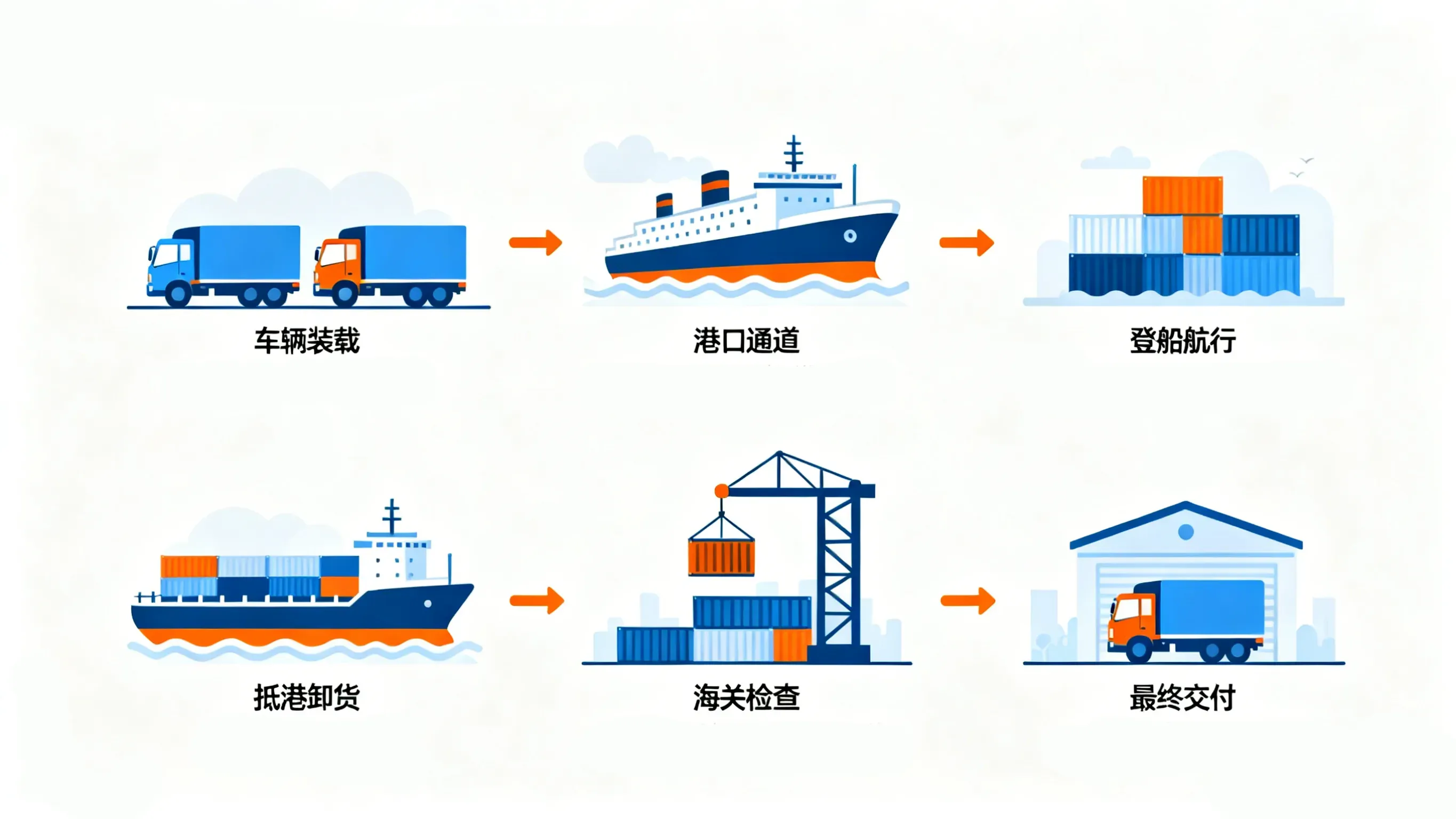
Vehicle loading
Enter port and pass through通道
Boarding and sailing
Arrival, unloading
Customs and inspection
Final delivery
In this short-distance international line, efficiency comes from coordination rather than distance.
Stable, predictable transport time can help enterprises:
Reduce inventory
Increase turnover
Avoid stockouts
Reduce storage and停滞 costs
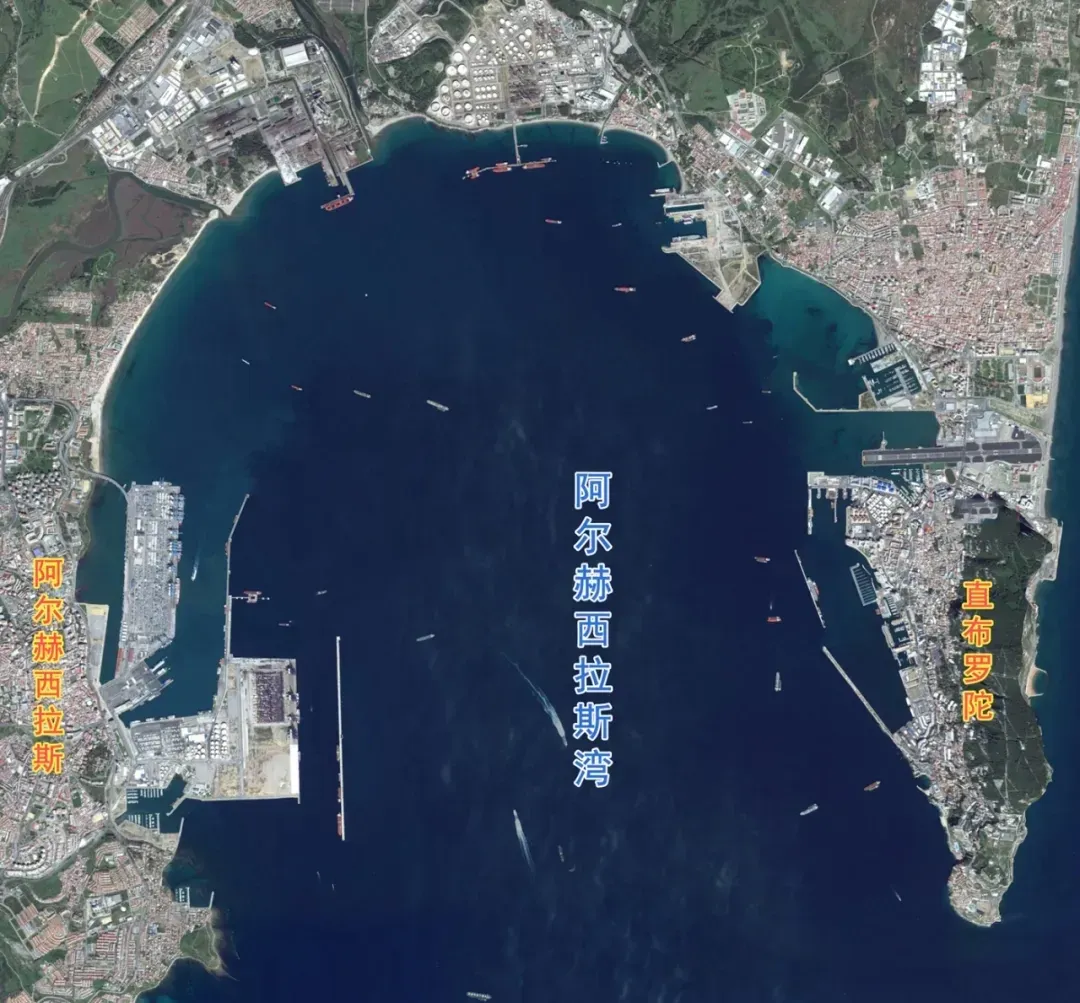
Algeciras Port: Spain’s Strategic Hub to Morocco
As the most important connection point to Morocco’s Tangier, Algeciras Port offers:
✔ Strong handling capacity
Suitable for Ro-Ro vessels, containers, and oversize cargo.
✔ High-frequency Ro-Ro departures
Meeting fast delivery needs for urgent cargo and high-volume industries.
✔ Flexible and efficient customs processes
Reducing delays, helping enterprises quickly complete export procedures.
✔ Suitable for multiple industries
Especially suitable for:
Continuous manufacturing
Agri-food (especially perishable goods)
Supply chains requiring high reliability
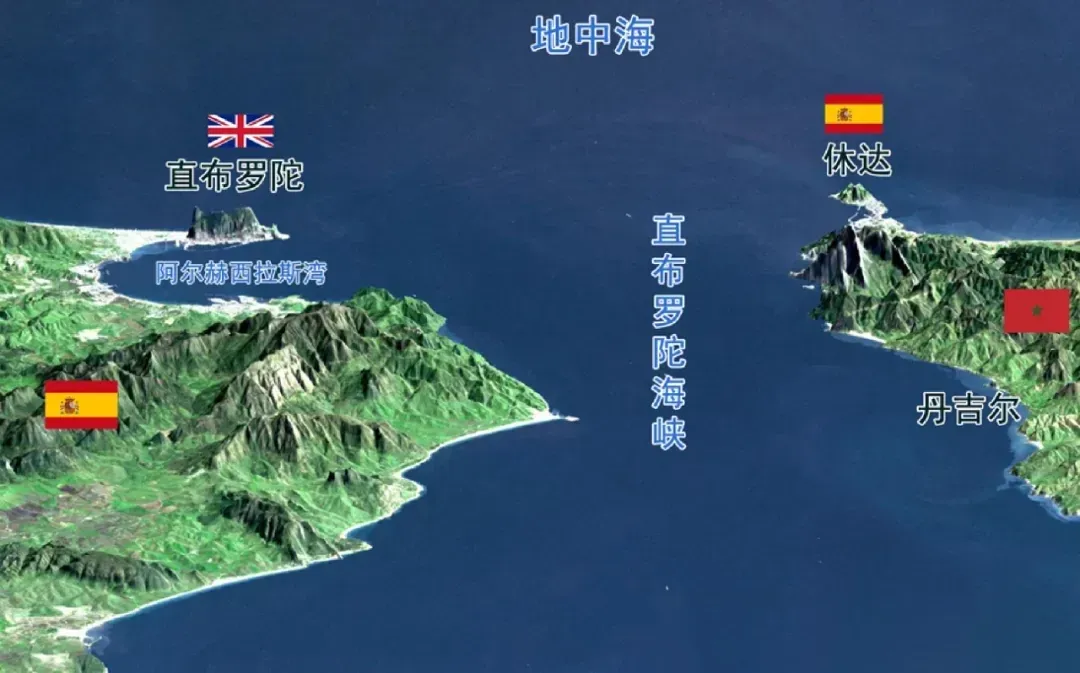
Algeciras-Tangier: What’s the Transit Time?
This route is considered one of the most stable and predictable channels in the Spain-Morocco corridor.
Ro-Ro Vessel Transit Time
Sea sailing: 1 hour 30 minutes – 2 hours 15 minutes
End-to-end actual time:
- Normal: 4–8 hours
- Peak season or bad weather: 8–12 hours
If your cargo requires quick replenishment, maintains cold chain, or adapts to tight production rhythms, this route is ideal.
Container Transport Time
Although sea sailing is similar, because it involves:
- Terminal operations
- Queuing and yard congestion
- Closing times
- More possible customs reviews
Planned time should be: 8–24 hours (depending on season and port congestion).
What Factors Affect Time? How to Avoid?
| Influencing Factor | Possible Consequences | Coping Strategy |
|---|---|---|
| Strait winds/waves | Delays or vessel changes | Flexible timing, multiple shipping line backups |
| Agri/textile peak season | Port congestion | Advance booking, avoid peaks |
| National/religious holidays | Customs queues | Prepare documents in advance, plan fully |
| Incomplete documents | Inspection or delay | 100% prepare pre-customs clearance materials in advance |
Conclusion: The core of avoiding customs inspection is advance preparation and professional coordination.
How to Choose the Right Route? Not the Shortest, But the Most Suitable
Route selection must consider:
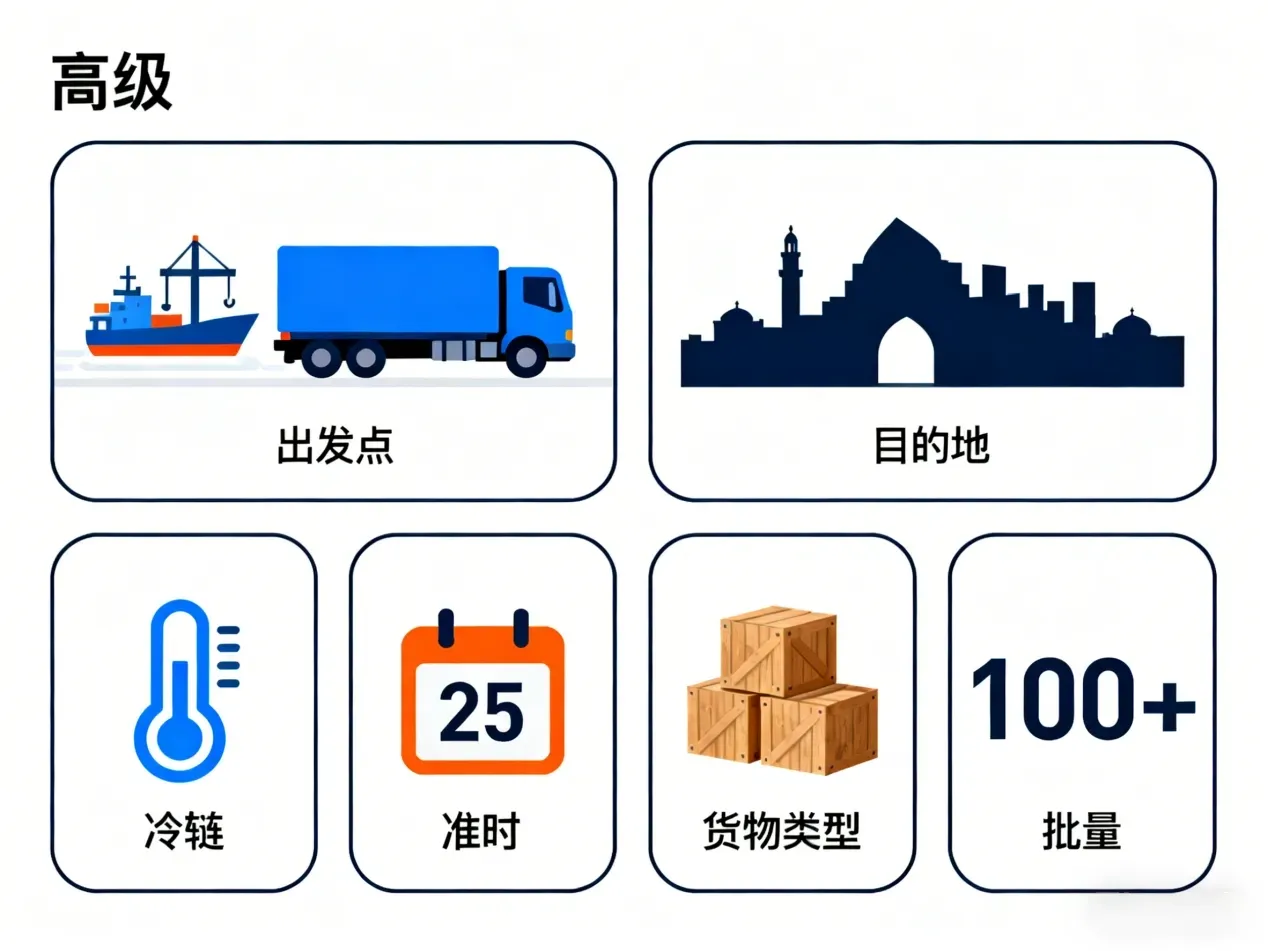
Truck departure point
Morocco destination
Whether cold chain is needed
Whether timely delivery is needed
Cargo type and volume
For example:
- Seville → Tangier: Algeciras Port is the best choice
- Madrid → Casablanca: Container transport may be more suitable
Key to Reducing Customs Risk: Centralized Freight Management (Consignment)
If an enterprise chooses to have a professional operator manage:
-
Land transport
-
Boarding process
-
Shipping company communication
-
Customs documents
-
Port unloading
-
Final delivery
This will greatly reduce:
❌ Document errors
❌ Waiting time
❌ Customs inspection probability
❌ Unnecessary cost fluctuations
Centralized management has become one of the most effective ways to reduce Morocco customs risks.
Cross-Border Transport Stability Comes from Professionalism and Planning
Cross-border transport between Spain and Morocco offers highly competitive时效 performance, but to truly achieve supply chain stability and controllability, enterprises must rely on professional planning, precise document management, flexible scheduling, and advance anticipation of peak season rhythms.
At this point, choosing a professional operating partner familiar with both European and North African rules and possessing a mature network is key to ensuring smooth cross-border logistics.
MYU Spain and MYU Morocco teams work in deep coordination, providing enterprises with full-chain centralized procurement and transfer services from Europe to Africa
Truck ferry cross-sea transfer at ALGECIRAS port
Air + truck ferry combined transport solution via Madrid Airport (MAD)
Bonded warehouse storage and transfer services
Morocco → Entire Europe reverse door-to-door logistics solution
We have successfully provided two-way cross-border logistics services for many Chinese enterprises, relying on Chinese/Spanish/English/French/Arabic multilingual teams to achieve 24-hour online collaboration and instant response, effectively reducing communication costs and operational risks.
In payment, MYU offers flexible settlement methods, including:
RMB payments within China
Payments to Morocco local companies
Payments to Spain local companies
Allowing enterprises to complete all cross-border service settlements in the way most suitable for their financial structure.
Stable cross-border transport cannot be achieved without professional teams, mature networks, and refined management.
MYU is committed to becoming the most trusted logistics partner for enterprises between Europe-North Africa supply chains, helping you make transport processes more controllable, efficient, and worry-free.