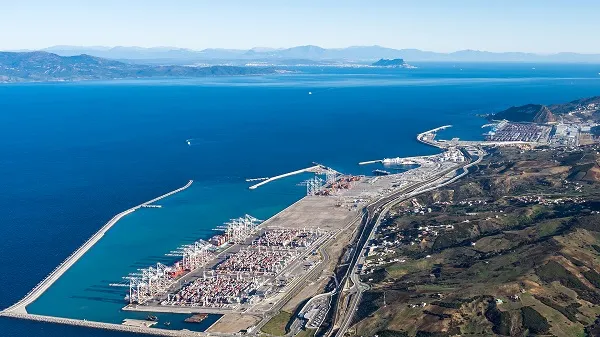
In today’s high trade barrier environment, Chinese companies are cleverly breaking through via a North African country - Morocco. This country, only 14km from Spain, with its unique geographic location, dense free trade agreements, and highly attractive tax-free policies, has become a “golden channel” for Chinese companies to bypass EU tariffs.
Morocco’s “Tax-Free Code”: How to Help Chinese Companies Save Billions in Tariffs?
Free Trade Agreement Network: A “Tax-Free Pass” Covering 1 Billion People
Morocco is the only country in the world with free trade agreements with both the US and EU, plus zero-tariff agreements with 56 other economies including Turkey. This means:
Export to Europe zero tariffs: Products produced in Morocco can exempt from EU tariffs.
Direct access to US market: Meets US Inflation Reduction Act requirements, EV materials eligible for $7,500 subsidy.
Tax Incentives: 5-20 Years Corporate Income Tax Exemption
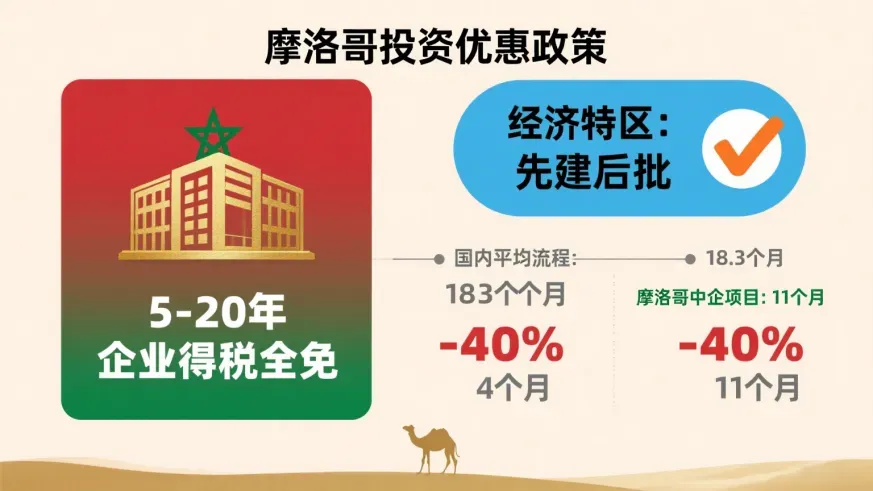
To attract foreign investment, the Moroccan government launched “5-20 years corporate income tax exemption” policy, with special economic zones allowing “build first, approve later.” Chinese company projects from construction to production take as little as 11 months, 40% faster than domestic processes.
Resource and Cost Advantages: Phosphate + Low-Cost Labor
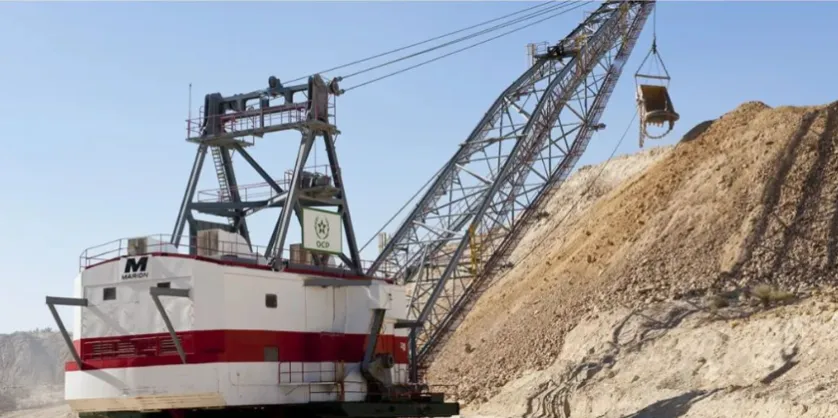
- 73% of global phosphate reserves (core raw material for lithium iron phosphate batteries)
- Wages 50% lower than Europe: Even if local wages double, still far below European levels.
Morocco & Spain: 14km Strategic Channel
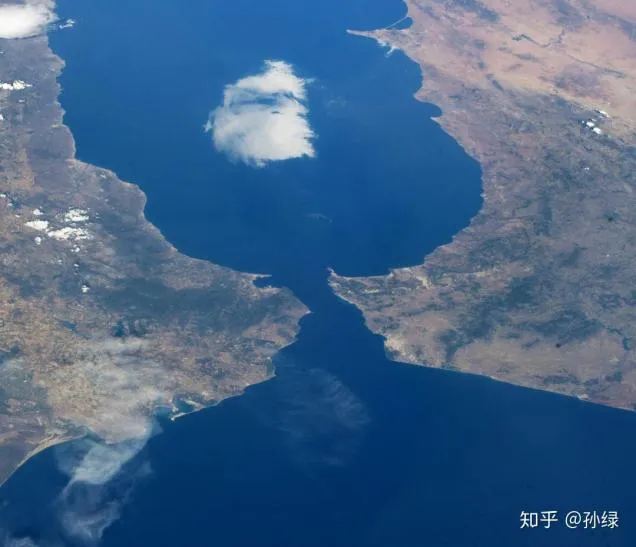
The economic and trade interaction between Morocco and Spain is rewriting the global supply chain landscape:
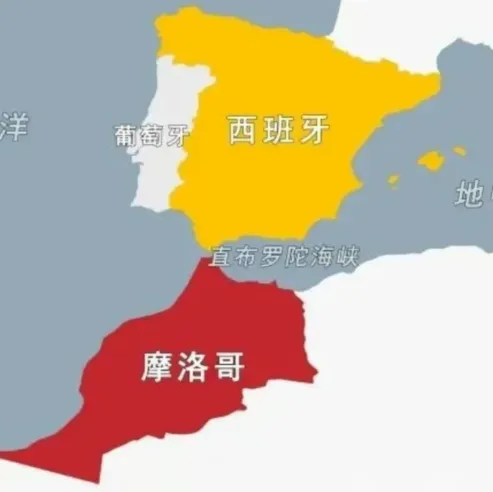
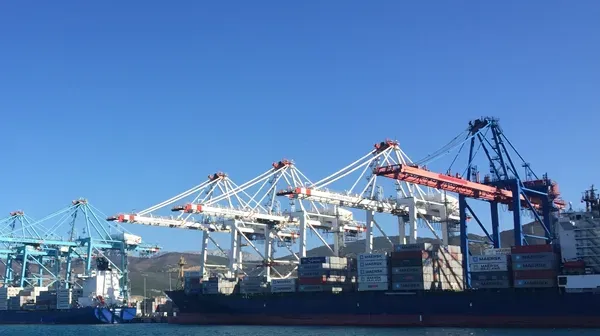
Ultra-fast logistics: Goods from Morocco’s Tangier Port (Africa’s largest port) depart same-day to Spain, very convenient to other European ports.
Industrial synergy: Renault, Stellantis and other automakers have built factories in Morocco, automotive industry contributes 20% of GDP, forming complete supply chain ecosystem.
Chinese Companies’ “Morocco Strategy”: Billions Invested in North Africa
2023 became the inaugural year for Chinese lithium battery companies布局ing in Morocco, with multiple giants investing billions:
Gotion High-Tech
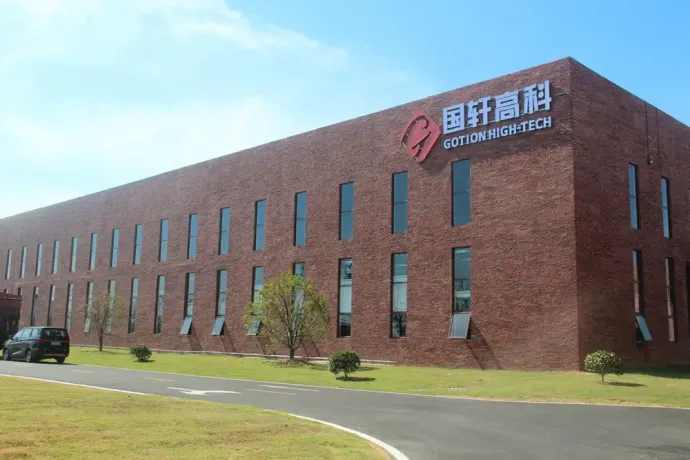
Investing $6.5 billion to build 100GWh battery super factory, first phase 20GWh to be operational in 2026.
BTR
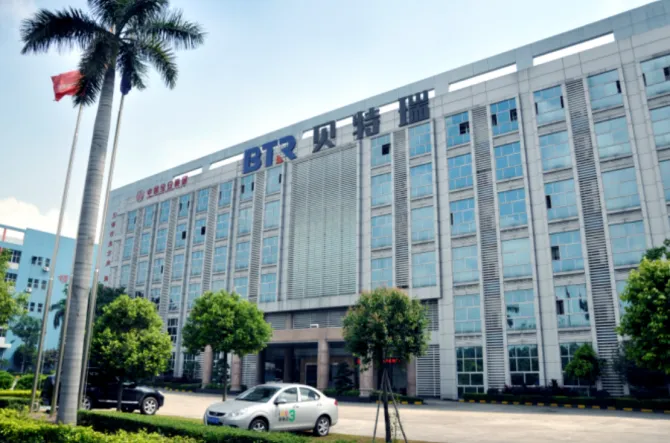
Building annual production capacity of 50,000 tons cathode material base in Tangier Tech City, with over 90% solar power supply.
Sentury Tire
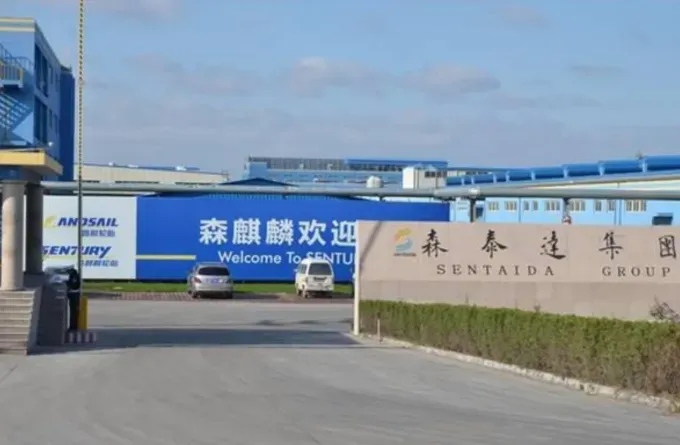
Completed 6 million tire smart factory in 11 months, efficiency shocking the industry.
These projects are concentrated in Tangier Tech City - a China-Morocco joint “North African Shenzhen” developed by China Road and Bridge Corporation, attracting 30 companies with total investment $3 billion, creating 100,000 jobs in the future.
Bypass Strategy: Why “Made in Morocco” More Profitable Than “Made in China”?
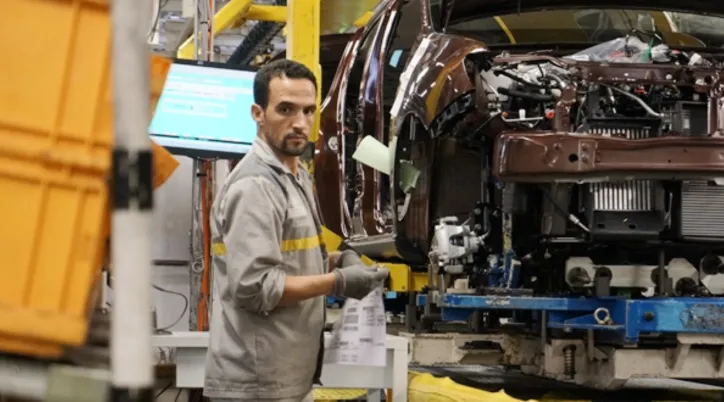
A battery company executive calculated:
Producing one kWh of electricity in Morocco costs $0.02 more than domestic, but avoided tariffs are enough to cover ten times the difference.
Exporting via Morocco labeling can increase profit margins by 18%-25%.
Conclusion
With its 14km strategic channel advantage, Morocco is becoming a key node in global supply chains. For Chinese companies, this is not only a tax-free springboard, but also a strategic pivot for entering European and American markets. Whether Morocco can continue to play the “connector” role in the future deserves continued attention.
MYU Spain and MYU Morocco work in synergy to provide Europe-Africa centralized procurement and transfer services (including truck ferry transfer at ALGECIRAS port and air + truck ferry combined transport via MAD airport), and provide bonded warehouse storage services. Meanwhile, we can provide reverse door-to-door logistics solutions from Morocco to entire Europe.
We have successfully provided two-way logistics services between Europe and Morocco for numerous Chinese projects, equipped with multilingual teams in Chinese, Spanish, English, French, and Arabic, ensuring 24-hour online support.
In payment methods, we support Chinese company domestic payments, as well as local payments from Morocco and Spanish companies, providing flexible and diverse payment options.